Why does sustainability matter in mobile catering?
Sustainability is an ever increasing hot topic in event catering and festivals, both for our business internally and in the wider event industry in general. Festivals in particular face the unique challenges of remote location infrastructure builds, waste management, energy usage, and staff conditions. We strive to help both the festival client minimise the impact on the environment and support the people on site achieve their roles comfortably and sustainably in the site community.
Financial sustainability: Making budgets work!
When we look at improving our sustainability policy, it is not just about the environment. The event has to be financially viable, with realistic budgets for food costs, staffing, equipment, ethical suppliers and to be able to make a profit. This is a challenging task with often low budgets provided, yet meal expectations are getting higher! Like most things in life you get what you pay for, and the objectives of the client must be addressed to plan how to meet those goals and still be financially sustainable. We consider these elements regularly –
- Cost effectiveness of ethical procurement with local suppliers
- Bulk purchasing for dry goods which also helps reduce some packaging too
- Considering investing longer term use of more durable equipment, but also alongside storage costs for large kit
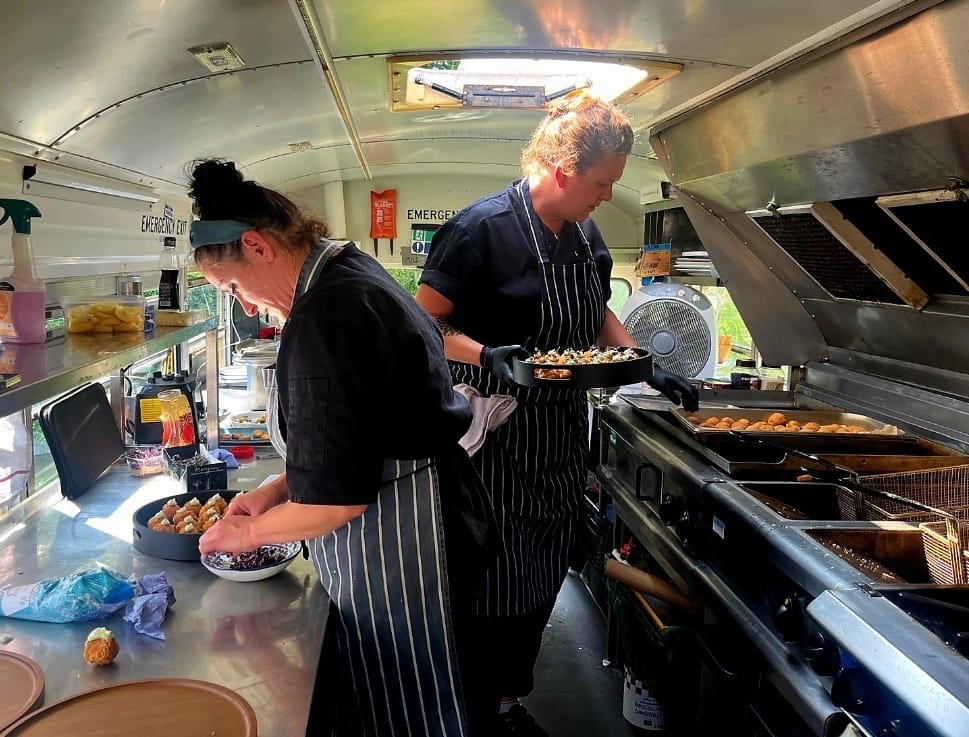
- Clever staff rota’s for food prep, using overnight ovens for slow cooking, and using efficient, reliable and professional staff. Choosing volunteers and inexperienced crew can impact efficiency of production and motivation within the team. This financial aspect is a fine balance many festivals should address
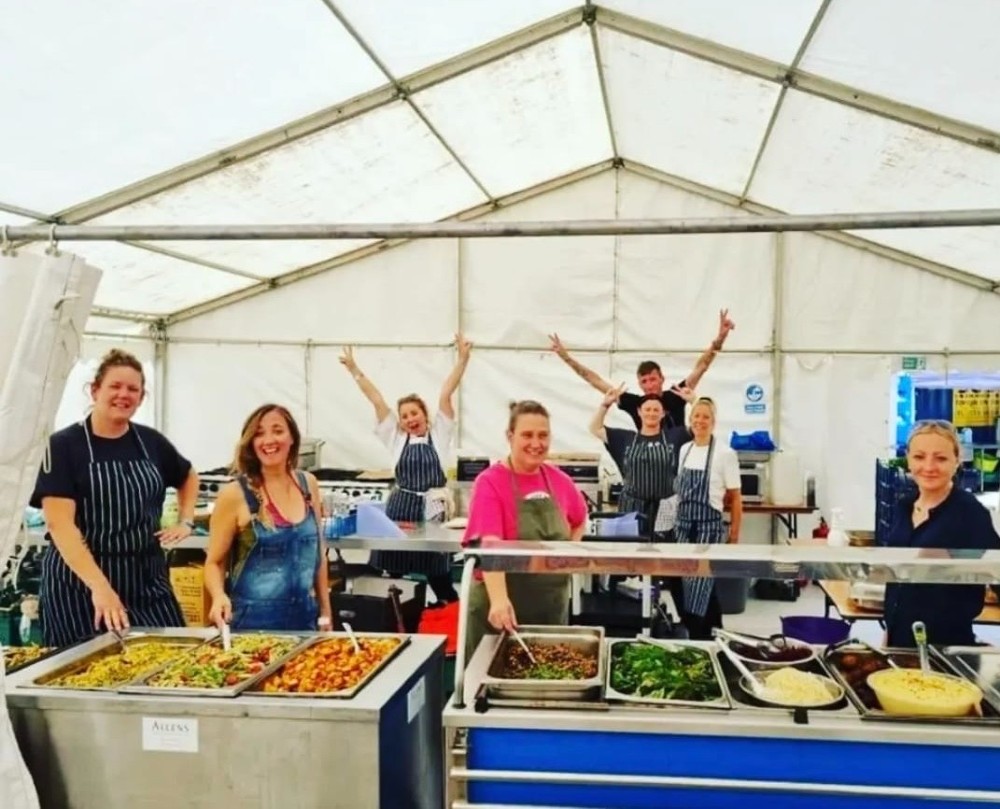
Staff welfare and mental health in our working conditions
Both event catering in hospitality and festival event management have historically been known for ridiculously long working hours and minimal rest and food breaks. This is still the case in many restaurants and event sometimes on events when they have not considered the correct number of staff required, or if the event provides incorrect information on the catering numbers. However, as a company we have a working hours policy that aims to keep the length of day to 12 hours for most staff, with two breaks in between. Here’s our key objectives:
- Keep staff motivated by minimising fatigue with long shifts over consecutive days/weeks!
- We schedule breaks and insist on maximum days working in a row, meaning on long crew catering jobs all staff MUST take at least one day off each week, and the rota is designed to rotate the staff to enable breaks. This does improve efficiency as well as welfare.
- We provide varied and nutritious meals for our staff and ensure the living conditions meet suitable requirements.
- We offer training and regular briefings to make a cohesive and supportive team, and offer an opportunity for 1 to 1’s to chat about work and where things can be improved.
- We build an inclusive environment for staff, and offer support for taking scenarios into account on a case by case basis. Often in the event and catering industries there are physical and mental conditions that must be taken into account, and solutions embraced.
Inclusivity and community engagement
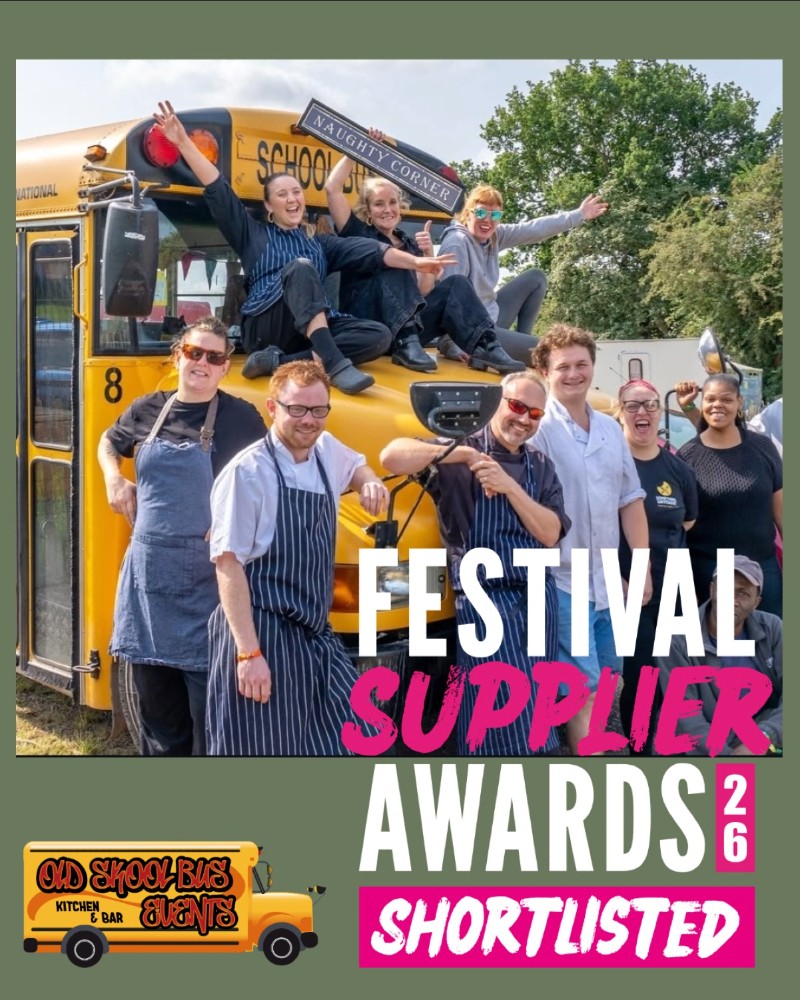
We are a recommended supplier in the wedding industry for the UK Quirky Weddings network, and were the winners of the ‘Most Unique Catering’ category for their 2024 awards programme. We have also been shortlisted as finalists for their UK 2025 awards in two categories – both the catering and bar services! We have delivered many events where we have LGBTQ+ couples and several weddings with couples with disabilities and mental health conditions. This is part of the norm, and with many hospitality and event staff now being open about ADHD, autism and many other difficulties, it makes addressing policies much easier and out in the open.
Key points we focus on are welfare & mental health – both for clients and our team. Providing a safe space and promoting accessibility of services and welfare on site. We display welfare posters of services available and communicate information with our team internally.
What factors do we consider with environmental sustainability on a festival site?
Food miles and production methods are important to us, and if we are allowed to use our own chosen suppliers this makes procurement much easier as we can build a relationship with them and get to know the traceability and quality of the produce. If we can use local independent suppliers then that is usually even better for reducing distance travelled of food, and it is putting the money back into the local community.
Recycled products and compostable packaging is crucial to us and we never use single use plastic cutlery or cups, and any disposable packaging MUST be of the most ethical and environmentally friendly as possible! We try our best to work with the festival to implement using actual crockery and cutlery to save on disposable packaging, minimise waste in the bins and recycling, and to encourage a nicer more sustainable dining experience over the duration on site. It’s a win win scenario! If at all possible, a policy of a ‘bring your own’ container, mug and cutlery is even better, however the infrastructure of the site may be difficult to put in the hot washing facilities on some festivals sites.
Waste management and recycling – we do try to buy in bulk and buy produce in packaging which is either environmentally friendly or recyclable. Our staff are always trained to set up the separate bins with different colour bin liners, and if possible then separate food waste, recycling and general waste. If we can purchase large sacks of dry goods rather than in tins, then we will, so for example a sack of dried chickpeas would only produce a large paper bag, as opposed to buying large tins of rehydrated chickpeas which then creates bigger volume of aluminium to recycle. It’s not always possible, depending on the approved suppliers the caterer can have deliver to them on site, but wherever possible we strive to consider this in all our procurement,
Recycling dirty cooking oil is not only an important thing to do, but it is also financially more sustainable to the budget too! At Glastonbury Festival this year we not only recycled more than 1,500 litres of used cooking oil, this is also recycling the containers that the oil are delivered in. By using a good supplier they can provide the goods on the same delivery truck that they collect on too, reducing transport miles and delivery costs.
Efficiency of energy use, food preparation and menu planning
When we plan menus and food service, we have sustainability of all elements at the forefront of our mind. These are the main factors we consider:
- Staff efficiency and use of staff time on the rota.
- Product costs and use of energy and power – can we use power spread overnight for slow cooking meats when not much other power is being used on site, and also maximise the rest time of the chefs!
- Using ‘wholefoods’ is VERY important to us, rather than mass produced, industrial processed foods with huge manufacturing processes.
- Can we write the daily menus to minimise food wastage and re-use ingredients safely in the meals the following day? Certain meals can be chopped, peeled and cooked in the same bulk preparation and split into different days for different meals.
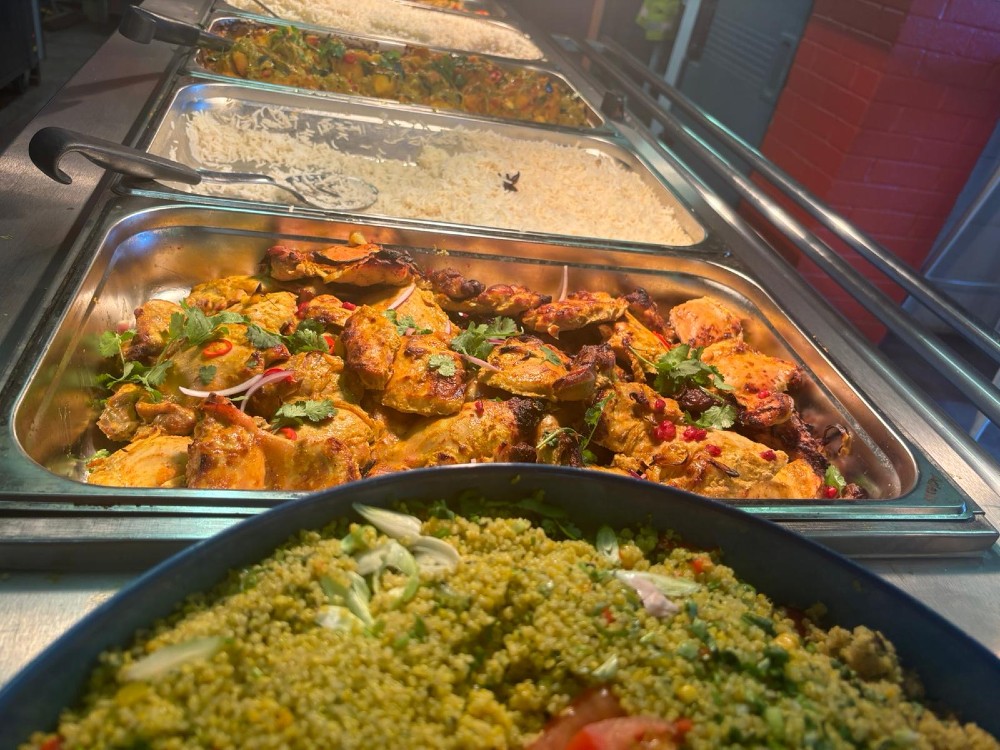
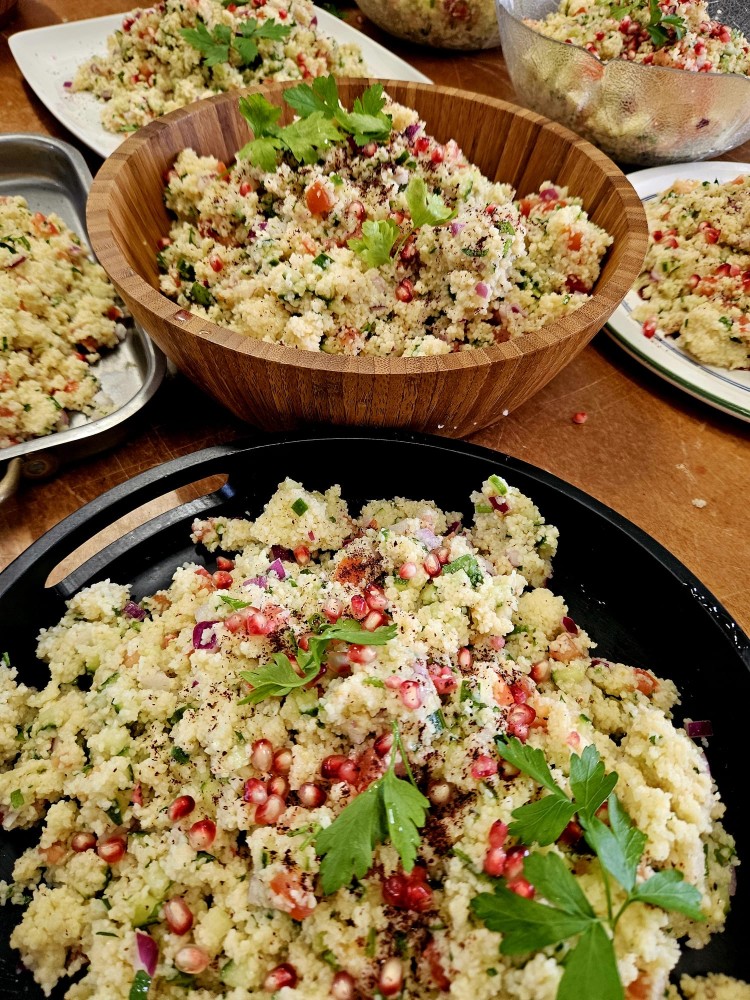
- Using leftovers – this is crucial in budgeting and food waste levels. It’s vital to train staff to minimise wastage and re-purpose leftover food safety wherever possible! Leftover potatoes can go into salads and curries, breakfast tomatoes can be put into pasta sauces and chillis, bacon and sausages can be used for takeaway and delivery sandwiches, and vegetables can be re-used in sauces, soups and stews! Wherever possible and safe, food should not be thrown in the bin.
What is our future in sustainable festivals and events?
We have aspirations for reducing our carbon footprint as much as possible, whilst committing to the objectives of our festival clients. In an ideal world we would be moving much more to renewable energy, solar powered catering equipment and facilities, and minimising use of fossil fuels. We do use induction hobs wherever possible, however for the meantime gas does still play a big part in the kitchen. It’s also worth noting that if a kitchen is all electric and requires a huge diesel generator, then sticking with some gas and some electric is viable until solar and renewable is more achievable.
Water consumption is important on festival sites, and also a challenge to minimise in catering, as hygiene is so important and water is required for most cooking! However, implementing washing up systems that meet both requirements is good, and water used for cooking vegetables often gets used in sauces.
Our goals for sustainability and packaging is to try and encourage bringing your own containers and cutlery, however this depends on the site and the culture of the event. We are striving for it in our policy though as best as possible and we would provide systems and communication to make this work. At Glastonbury Festival this year the systems of using real plates and cutlery meant that we reduced disposable packaging items by over 100,000 disposable food containers, coffee cups, and wooden cutlery! We would like to focus on this on all events.
We wish to work closely with our festival clients to help run parallel objectives environmentally, source ethical suppliers, create clever and sustainable procurement for across all events, and to be able to provide a sustainable future for our business and team for the future.
For more information please feel free to request our sustainability policy at www.oldskoolbusevents.com